
Oil in Your Phone Speaker? What to Do Before It Gets Worse
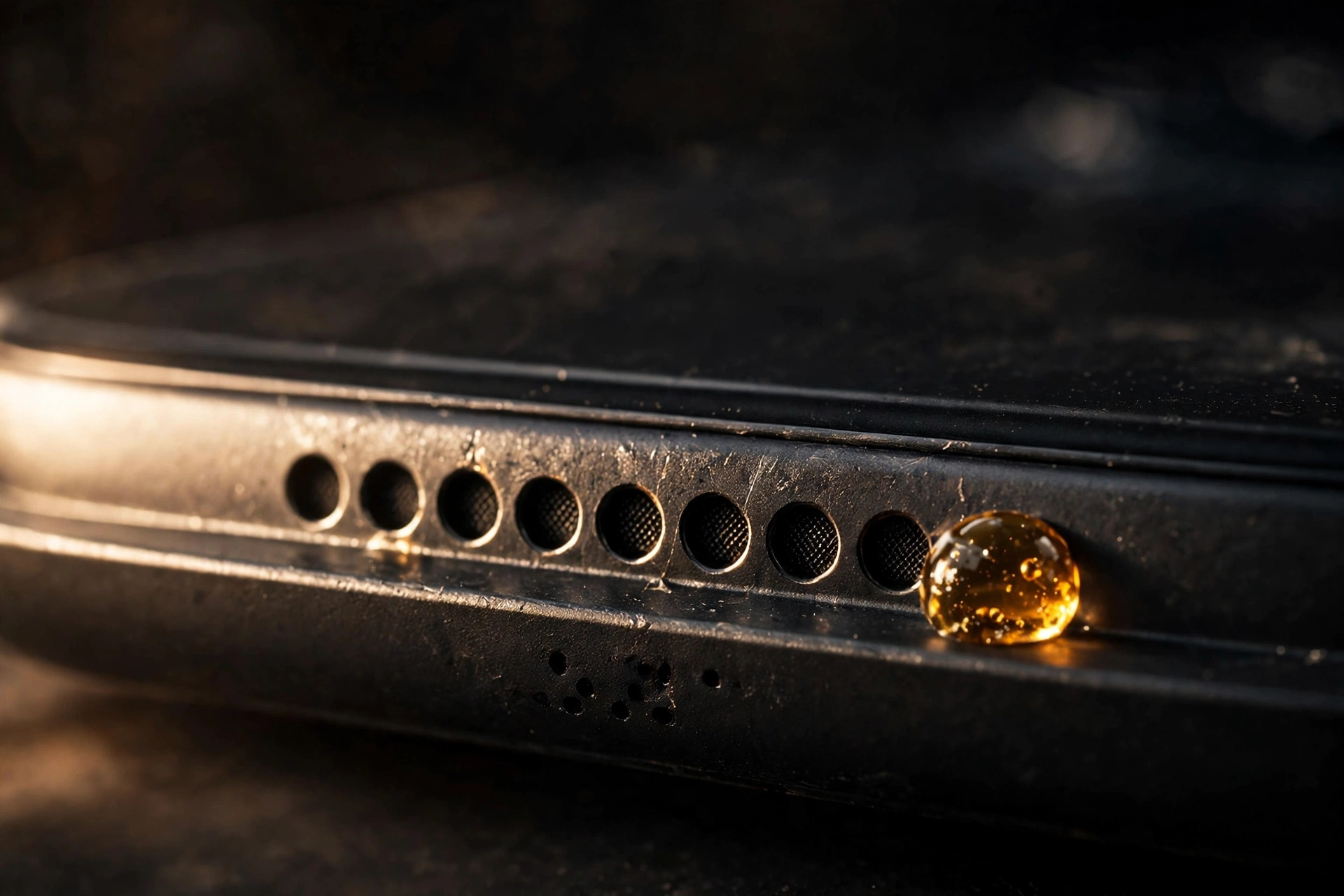
A splash of cooking oil while you followed a recipe video, sunscreen rubbed off your hands, lotion seeping in from a pocket — oil in a speaker grille is nothing like water or dust. It won’t dry out on its own, it traps dirt against the mesh, and the usual sound tricks won’t shift it.
Blot First — Wiping Makes It Worse
Your first move matters more with oil than with almost any other spill. Dragging a cloth across the grille smears oil deeper into the mesh, and pressing down hard can push it past the mesh toward the speaker driver, where you can’t reach it.
Blot instead. Fold a clean, dry microfiber cloth into a small pad, press it gently straight down onto the grille, then lift it straight up. Use a fresh section each time so you’re not putting the same oil back. The sooner you start, the better — oil creeps further into the mesh the longer it sits.
Give Gravity a Few Hours
Oil won’t evaporate, but it will slowly drain back out of the mesh if you let it. Once you’ve blotted the surface, stand the phone upright with the speaker grille facing down — propped against a book or tucked into a mug — and leave it alone for several hours.
Don’t reach for heat to hurry things along. A hair dryer on hot can soften the adhesives inside your phone and warp the speaker mesh, and warmed oil turns thinner and creeps deeper. Room-temperature patience is the safe move. Try not to keep testing the speaker at full volume, either — heavy bass can vibrate loose oil further into the grille.
The Damp-Cloth Pass for Leftover Film
After blotting and draining, a thin oily film usually stays behind on and around the grille. Dampen one corner of a microfiber cloth with a tiny amount of water, wring it until it’s barely damp, and dab the grille area. Don’t rub — you’re lifting the surface film, not flooding the holes.
Follow straight away with a dry microfiber cloth, blotting the same spot to pick up any moisture. Never pour or drip water directly into the speaker, and skip soapy water entirely — soap residue attracts dust and leaves a film of its own. If the oil arrived with food crumbs or sand mixed in, lift visible grit out first with sticky tack pressed gently over the grille.
Why That Water-Eject Tone Won’t Help Here
You’ve probably seen those low-frequency sounds that shake water out of phone speakers, and they do work — for water. Water is thin and beads up, so a strong oscillating tone can throw droplets out of the mesh. Oil behaves nothing like that.
Oil is thick and sticky. It clings to the mesh fibres instead of beading, so the same tone that blasts water out barely moves an oil film. Worse, sustained vibration can work oil deeper into the mesh. A free speaker fix tool is excellent for water and dust in a grille, but it isn’t the right fix for oil — use it afterwards, once the oil is out, just to check that the speaker sounds normal again.
Alcohol: The One-Careful-Pass Rule
Isopropyl alcohol dissolves oil, and you’ll see it recommended all over the internet for speaker cleaning. It can help — but only inside strict limits. Use 90% or stronger isopropyl alcohol, never rubbing alcohol with added oils or fragrances, and never on a phone with a cracked screen or damaged water seals.
Dampen a cotton swab, squeeze out the excess so it’s barely wet, and dab the grille lightly — one pass, then blot dry. Never drip alcohol into the speaker holes. Alcohol can damage the coating on your screen, some mesh adhesives, and the water-resistant seals around the grille if it pools or gets used repeatedly. One careful pass for stubborn residue is the maximum. If the oil is still there after that, stop. A faint film that slightly dulls the high notes is far better than a dissolved seal.
Signs You’ve Reached the DIY Limit
Stop cleaning at home if the sound is still badly muffled after blotting, draining, and one careful cleaning pass. Crackling, distortion, or a rattle that wasn’t there before suggests oil has reached inside the phone, past the mesh. Oil in the charging port or buttons at the same time points the same way — surface cleaning can’t fix deeper ingress.
A repair shop can open the phone and clean or replace the speaker mesh properly, and it’s usually inexpensive, far cheaper than a screen or battery replacement. If the phone is still under warranty, contact the manufacturer first and be honest about the oil exposure — liquid damage is typically excluded from standard cover, though an extended plan may help. Don’t seal the phone in a bag of rice or silica. That old trick is for water, it does nothing for oil, and rice dust can make the grille worse.
Keeping Grease Away From Your Grille Next Time
Most oil accidents are easy to prevent once you’ve had one. Keep the phone away from the stove while you cook, and wipe your hands after sunscreen or lotion before you pick it up. If you work in a kitchen or outdoors, a case with speaker mesh covers is worth considering.
A quick wipe of the grille after greasy handling takes five seconds and prevents most of these problems. It’s a small habit, and it’s a lot cheaper than a repair.
Frequently Asked Questions
Will oil in my phone speaker dry out on its own?
No. Unlike water, oil doesn’t evaporate at room temperature. It stays in the mesh and attracts dust and lint, which makes the muffling worse. Blot it out promptly and give gravity a few hours.
Can I use the water-eject sound for oil?
It’s not effective and can be counterproductive. The tone throws thin water droplets out of the mesh, but thick oil clings instead, and sustained vibration can push it deeper. Use the tone only to check the sound afterwards.
Is it safe to put alcohol in my phone speaker?
One careful dab with 90% or stronger isopropyl alcohol on a barely damp swab can help stubborn residue, but dripping alcohol in is not safe — it can damage seals, coatings, and adhesives. If you’re unsure, skip it.
How do I keep oil out of my speaker in the future?
Keep the phone away from the stove while cooking, wipe your hands after sunscreen or lotion, and consider a case with speaker mesh covers if you work in a kitchen or outdoors.
Related Guides
- How to Clean Your Phone Speaker Safely
- Salt Water in Your Phone Speaker? What to Do
- Phone Speaker Muffled After Water? Fix It Here
- How to Get Sand Out of Your Phone Speaker
- Is Your Phone Speaker Blown or Just Dirty?
- No Sound on My Phone? Here’s What to Check
- Why Do I Sound Muffled on Calls? The Mic Checks That Fix It
- Free Speaker Fix Tool